What it was
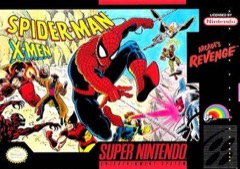
Arcade has snatched Cyclops, Storm, Wolverine and Gambit, and Spider-Man swings in to find them. The first stage is an abandoned building where you switch off Security Eyes in the order your Spider-Sense tells you. Past that is Murderworld, Arcade's simulated death trap, where each hero has two events to clear before Spider-Man gets a final showdown with the man himself.
You can pick any hero's first event, but their second only opens once the first is done. The catch is the lives. They're shared, so if one hero loses a life, they all do. That makes every character's stage your problem.
The opener sets the tone. It's as much a puzzle as a stage: the Security Eyes have to go off in the right order, and Spider-Sense is your only hint. Murderworld is a playground built to wear you down, and it plays like one: look, think, then move.
Where it sits in history
LJN released it on the Super NES in 1992, with Software Creations developing. Versions also appeared on the Genesis and Game Gear (under the Flying Edge brand) and the Game Boy. The X-Men animated series was airing at the time, and the game's development was influenced by its popularity and by LJN wanting to build on its earlier Spider-Man and X-Men games.
Reviews split by system. Super Gamer gave the SNES version 75% and called it attractive for any comics fan, with varied and tough gameplay. The portable versions fared worse. GamePro called the Game Boy controls frustratingly imprecise, and Electronic Gaming Monthly gave the Game Gear version 6 out of 10.
How it plays today
The idea is the best bit. Swapping between five heroes with different moves keeps it fresh, and the shared life pool means you can't just coast on your favourite. It's a tough one, and the Security Eyes opening asks you to pay attention before the fun starts.
Comics fans will have the best time. If you wanted a clean, forgiving platformer this isn't it, and the portable versions are worth skipping. On the SNES it's a decent licence game that tried something a bit different.
Go in knowing it's hard, start with the hero whose stage you enjoy, and don't be precious about losing a life. It isn't only your life you're losing.
Compared with
Why it matters
Self-determination research says games hook us when they meet our need for competence, autonomy and relatedness. Arcade's Revenge builds a version of relatedness into the rules. Five heroes share one pool of lives, so every stage you play is for the whole team, not just for the one you like.
It's a small thing, but it stings in the right way. You can't ignore Gambit's stage because you'd rather be Wolverine. Somebody's counting on you.
Read: The second controller →
- Ryan, R. M., Rigby, C. S., & Przybylski, A. (2006). The motivational pull of video games: A self-determination theory approach. Motivation and Emotion, 30(4), 344-360. doi:10.1007/s11031-006-9051-8
What you're levelling up
You have been training these without noticing. Here is how to do it on purpose, and where it pays off away from the couch. All the skills games teach →
Planning ahead
In the game. Any hero's first event is open from the start, but their second only unlocks once the first is done, and every life you lose comes out of one shared pool. The order you tackle Murderworld in decides how many lives you'll have left for the hard bits.
Do it on purpose. Before a run, rank the five heroes' stages from easiest to hardest for you. Clear the easy ones while the pool is full, then go after the nasty ones knowing exactly what you can afford.
Off the couch. Sorting the week so the hard job doesn't land on the same day as the deadline, or doing the boring paperwork while you're fresh so it isn't hanging over the fun stuff.
Memory and routing
In the game. The first stage has you switching off Security Eyes in the order the Spider-Sense gives you. GamePro moaned that the Game Boy version makes you solve it again every time you switch on.
Do it on purpose. Say the sequence out loud as the Spider-Sense shows it, then do it without looking back.
Off the couch. Remembering a name the first time you hear it at a party, and using it once in the chat. People feel noticed, and the person you were hoping to talk to remembers you back.
Teamwork
In the game. If one hero loses a life, they all do. Rush Gambit's stage because you'd rather be Wolverine and the whole team pays for it.
Do it on purpose. Take the hero you like least and give their stage your full attention before you play your favourite.
Off the couch. Picking up the job nobody wants on a group trip, the dishes, the booking, the early drive, so everyone wins. Mates notice who does that.
Verdict · 6/10
A tough, varied licence game with a clever shared-lives idea. Best on the SNES, best for comics fans.