Together
The second controller
The best seat in the house was never the one closest to the TV. It was the one next to somebody else, holding the other controller.
Player 2, press Start
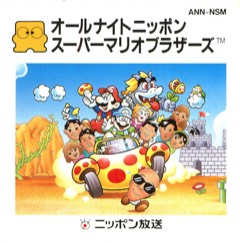
The Famicom came with two controllers wired into the console. The second one even had a small microphone built in. Nintendo assumed from day one that someone else would be in the room, and that assumption shaped a generation of play.

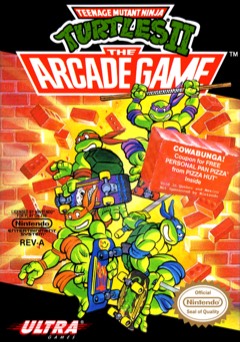
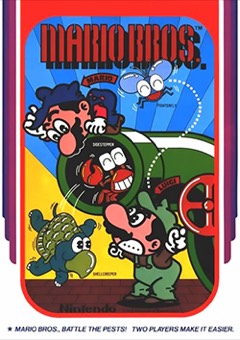
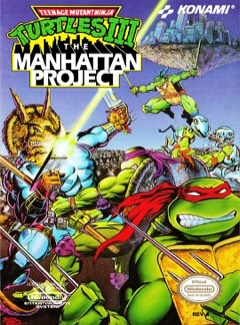
Think of how many of the era's games leaned on that second controller. Contra with a friend, one of you inevitably dragging the screen along while the other lagged behind. Teenage Mutant Ninja Turtles II: The Arcade Game, two turtles shoulder to shoulder. Even Super Mario Bros., strictly one player at a time, became a two-person game. Mario falls down a hole, and the controller passes to whoever is Luigi. The hand-over was part of the fun.
A world for two
The sociologist Erving Goffman, writing about fun in games, argued that a game creates a shared world with its own rules about what matters. Inside that world, some things count and others fade away. Then he added the part that matters most here: what makes an encounter feel alive is engrossment together. Two people absorbed in the same small world, at the same time, is something different from two people each absorbed on their own.
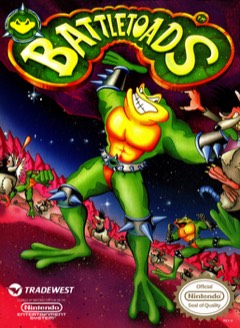
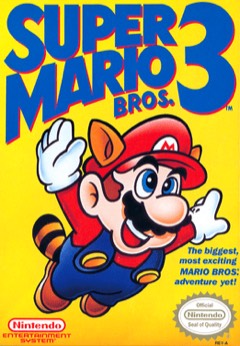
Anyone who has played Battletoads with a friend knows how true this is, because in Battletoads you can hit your partner. Sometimes by accident, sometimes not. The fight spills off the screen and onto the couch, and it is still somehow one of the great co-op experiences of the NES. The engrossment is shared even when the aim is terrible. Super Mario Bros. 3 knew it too, and tucked a little battle game between Mario and Luigi into its map screen, as if to say: the rivalry is part of the friendship.
The roar
Émile Durkheim, one of the founders of sociology, studied what happens when people gather for a shared ritual. He described a charged, shared energy that runs through a crowd absorbed in one activity, and he called it collective effervescence. It is what binds people together. Durkheim was writing about religious ceremonies, but the idea travels.
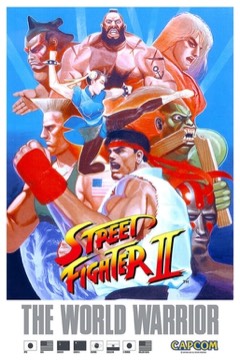
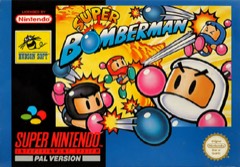
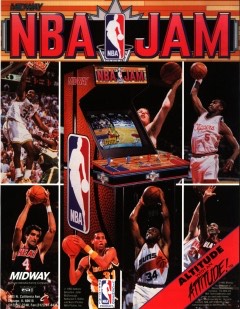
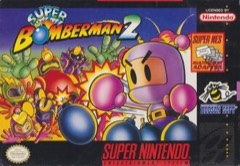
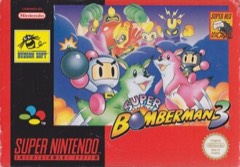
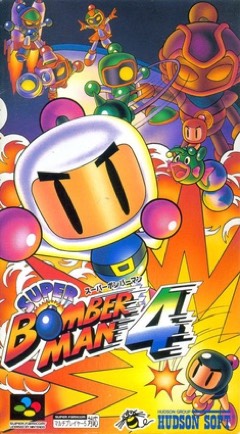
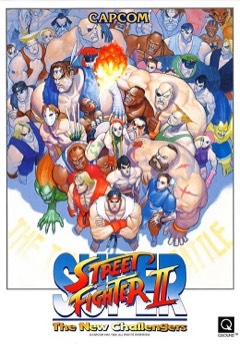
If you ever stood three deep around a Street Fighter II cabinet at the arcade, you have felt it. So has anyone who played Super Bomberman with a multitap and four people on the floor, shrieking as the last bomb went off. Or NBA Jam, when a player caught fire and the whole room went up with him. Nobody remembers the score. Everybody remembers the noise.
That energy is not an extra. It is part of what the game was for. The screen is the campfire. The people around it are the point.
What we need
The psychologists Richard Ryan, Scott Rigby and Andrew Przybylski studied why games pull people in. They found that games satisfy three basic needs: competence, autonomy and relatedness. Relatedness is the sense of connection to other people. When a game satisfies these needs, people enjoy it more and want to play again.
Relatedness does not even need the second controller to be plugged in. There is a well-worn big-sibling trick: hand the little one an unplugged controller and let them believe they are playing. It sounds mean, and it is a little. But the little one is happy, and not only because they are fooled. They are next to you. They are in the game with you, in every way that counts to a five-year-old.
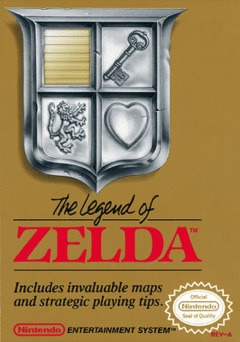
The same goes for the friend who never touched the controller but sat beside you through The Legend of Zelda, pointing at walls that might hide a secret. That friend was playing. Everyone in the room was playing.
Who was next to you
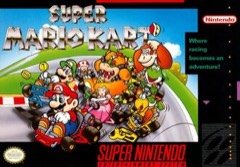
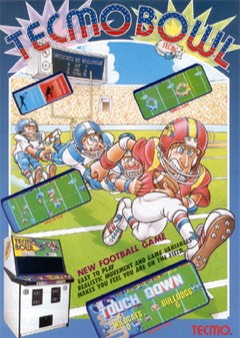
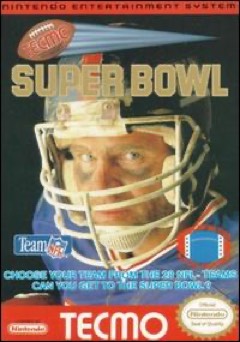
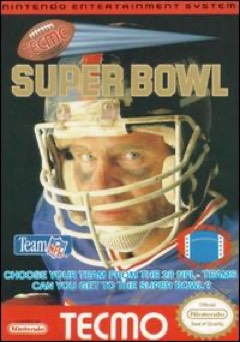
Ask anyone about their favourite old game and listen to how quickly the answer turns into a story about a person. The cousin who was unbeatable at Super Mario Kart. The friend down the street with the SNES. The uncle who played Tecmo Bowl like it was the grand final. The game is the setting. The person is the memory.
We tend to talk about games as something done alone in a dark room. The history says otherwise. Most of us learned to play shoulder to shoulder, arguing over whose turn it was, sharing a groan when someone fell down a pit. We are alive, we play, and we do it together. The second controller was never an accessory. It was an invitation.
Service is one of eight things people need to flourish, argues You Are a Zookeeper: “Consider that the best-selling video game franchise in human history is called Call of Duty. Not Call of Pleasure, not Call of Profit — Call of Duty.” The drive is to protect, to serve a unit, to be needed by something larger than oneself.
Sources
- Goffman, E. (1961). Encounters: Two Studies in the Sociology of Interaction ('Fun in Games').
- Durkheim, E. (1912). The Elementary Forms of Religious Life.
- Ryan, R. M., Rigby, C. S., & Przybylski, A. (2006). The motivational pull of video games: A self-determination theory approach. Motivation and Emotion, 30(4), 344-360. doi:10.1007/s11031-006-9051-8
- You Are a Zookeeper. IMXUS Books. imxus.com