The human desk
Why we play
Play is older than culture and older than people. These essays are about what it does for us: why we fail on purpose, who we become with a controller in hand, and why the second player matters most.
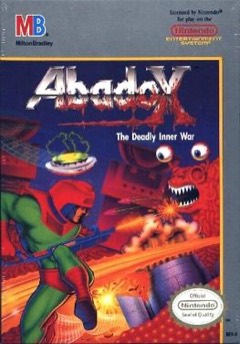
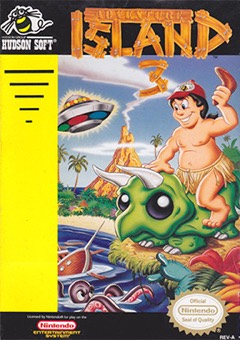
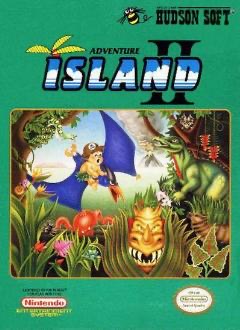
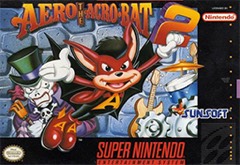
The zone: why good games make time disappear
Why an hour of Tetris feels like ten minutes: Csikszentmihalyi's flow, challenge matched to skill, and old games as machines built to make it happen.
Failure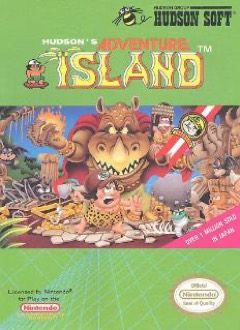
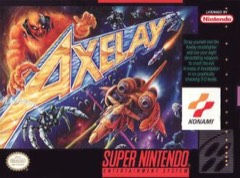
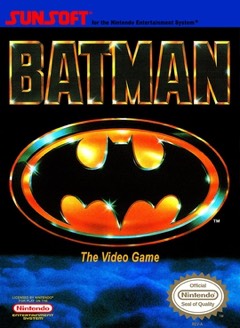
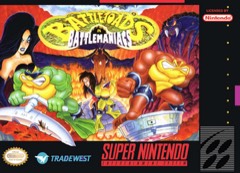
One must imagine Mario happy
Why we fail at games on purpose and keep going: Juul's paradox of failure, Suits on unnecessary obstacles, and Camus's Sisyphus, happy at the boulder.
Dopamine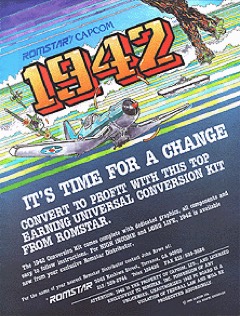

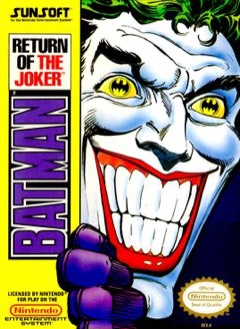
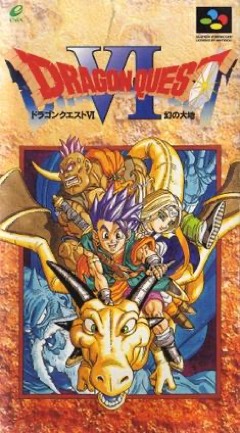
Wanting, not liking: what dopamine really does when you play
Dopamine isn't the pleasure chemical. It's anticipation and surprise. Schultz, Berridge and Robinson on wanting versus liking, via a question block.
Rules
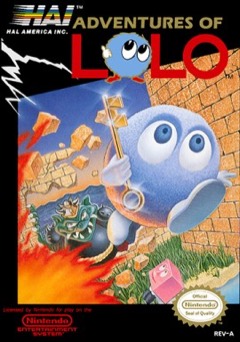
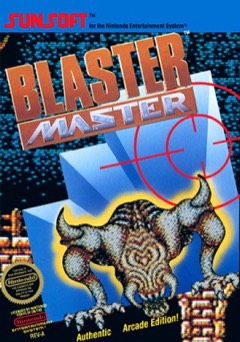
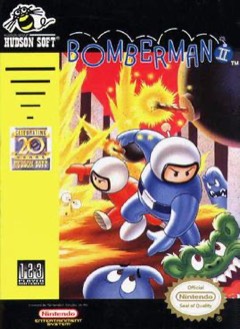
The magic circle: the world that rules make
Why a game feels like a world of its own: Huizinga's magic circle, Caillois's four kinds of play, Suits and Goffman, from the power switch to the pause.
Together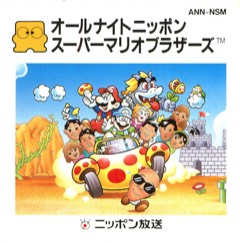
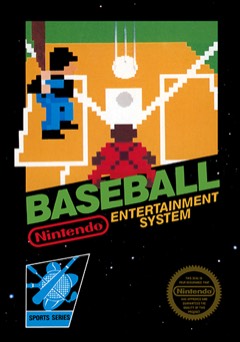
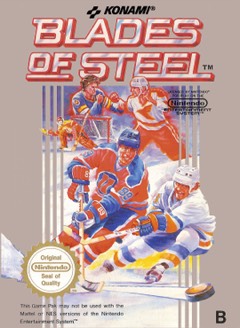
The second controller
Why playing side by side matters: Goffman on shared engrossment, Durkheim's collective effervescence and our need for relatedness, from couch to arcade.
Identity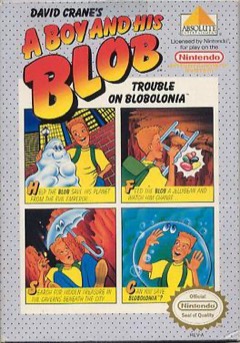
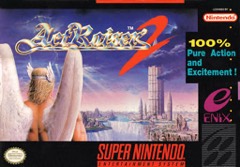
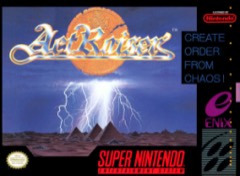
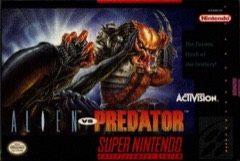
Who you are when you play
Avatars, names and ideal selves: Gee's projective identity, the Proteus effect, the ideal self at play, Winnicott and Turkle, from Zelda's save file on.
Nostalgia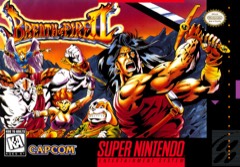
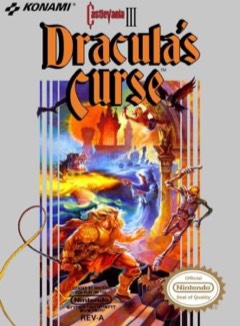
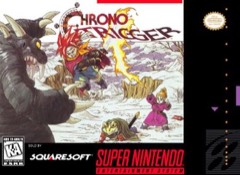

Why old games feel like home
Why a few notes from an old game can bring back a whole room: research on nostalgia as a warm, social emotion, and the people we played beside.
Origins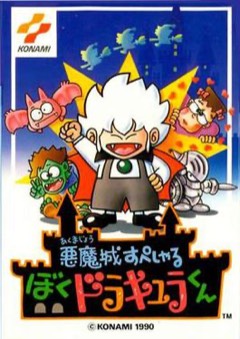

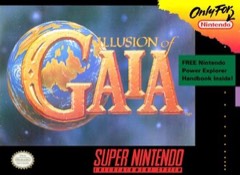

Older than us: play before people
Play predates people: Huizinga on play before culture, Panksepp's laughing rats, Vygotsky's child a head taller, and why every age plays.
The order of fun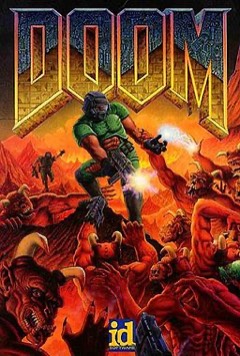
Why games are fun: it is the order
Games are not fun because of points. They are fun because skills arrive in the right order, just past what you can do. Here is how to steal that for anything.