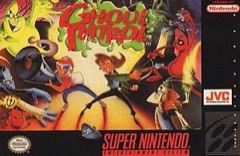
What it was
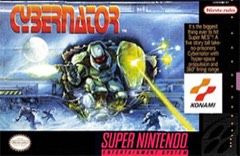
Earth's fossil fuels are running out and two powers, the Axis and the Federation, are at war over what is left and over territory on the Moon. Jake Brain is a drafted marine who says in the opening text that he fights because he is a soldier, not for any flag. He pilots an Assault Suit, a walking war machine with arms, legs and a jump jet, from the carrier Versis.
It plays as a side-on action game, but the missions are more than reaching the end of a level. You stop the Arc Nova from falling, catch an enemy shuttle before it escapes, even save an enemy pilot dropping into the atmosphere. Fail one of those side jobs and the game carries on, but the ending changes: the Versis is wrecked, most of the crew die, and Jake loses his partner Crea. Succeed at all of them and the war ends with the two of them together on the deck. The designer, Satoshi Nakai, insisted on scenery you can blow apart, and it shows.
Where it sits in history
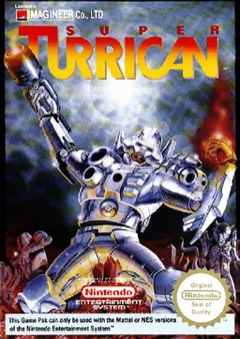
Masaya released it in Japan as Assault Suits Valken in December 1992, the second Assault Suit game and a prequel to Target Earth set a century before it. Toshiro Tsuchida produced it, then went on to Front Mission. Konami published it in North America in April 1993 as Cybernator, with cuts: the character portraits beside the dialogue were removed, along with a line revealing what became of a pilot you rescue and a scene where the defeated enemy president takes his own life. The English manual got at least one mission briefing wrong as well.
Famitsu counts 10,782 copies sold in Japan. Critics liked it more than buyers did. Super Play ranked it the 19th best SNES game in 1996, and Next Generation said it introduced many Americans to Japanese design. In 2023 M2 released Assault Suits Valken Declassified on Switch, with a new, uncut translation, the Japanese guidebook and interviews with the designers.
How it plays today
Weight is the thing. The suit is heavy, its jets lift you only a little, and you feel every step. Tearing scenery apart with your Vulcan is still a joy, and the running dialogue makes a 16-bit war feel like a war.
The heaviness cuts both ways: it takes a mission or two to stop fighting the controls. Electronic Gaming Monthly's four reviewers could not agree on whether it was too easy or too hard, which tells you it is somewhere sensible.
Compared with
Why it matters
Jake doesn't fight for a cause; he says so before the first mission. The game then makes you responsible for the people beside him anyway. Let the shuttle escape and nobody tells you off. You just learn at the end who died because of it.
Jesper Juul writes that we seek out failure in games because it makes us stop and rethink. Most games of 1992 showed failure as a game-over screen. Cybernator shows it as an empty deck, and lets you go back and do better.
Read: One must imagine Mario happy →
- Juul, J. (2013). The Art of Failure: An Essay on the Pain of Playing Video Games. MIT Press.
What you're levelling up
You have been training these without noticing. Here is how to do it on purpose, and where it pays off away from the couch. All the skills games teach →
Planning ahead
In the game. Stop the Arc Nova falling, catch the shuttle, save the enemy pilot. Fail a side job and the game keeps going, but the ending changes and Jake loses Crea.
Do it on purpose. Before each mission, read the objectives and decide which one you'll prioritise. Track which you nailed.
Off the couch. The small stuff you let slide adds up. Remembering your partner's mum's birthday, paying the bill on time. Look after the side jobs and the ending's better.
Bouncing back
In the game. The suit is heavy, the jets lift only a little, and it takes a mission or two to stop fighting the controls.
Do it on purpose. Spend a mission just getting the jump and jet timing right. No goal but moving well.
Off the couch. First week at a new job, new gym, new city. Clumsy first, then not. Stay for the second week.
Story sense
In the game. Jake says he fights because he's a soldier, not for any flag, and the running dialogue makes a 16-bit war feel like a war.
Do it on purpose. Read every line of dialogue for one mission and think about why each character says what they do.
Off the couch. Understanding why people do things, not just what they do, is how you get along with your boss, your mates and someone you're keen on.
Verdict · 8/10
A war story told through a robot that feels like it weighs tons, with an ending you earn. Play the Declassified version if you can.