Failure
One must imagine Mario happy
We dodge failure everywhere else in life, then pay money to fail at games hundreds of times. That is not a contradiction. It might be the point.
The first Goomba
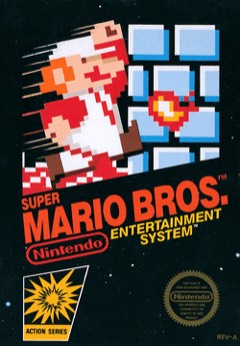
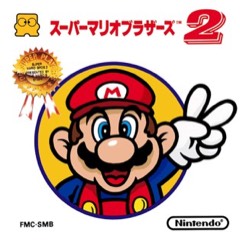
The first enemy in Super Mario Bros. is a small brown mushroom walking slowly towards you. It kills a startling number of first-time players. There is a little tune, Mario falls off the screen, and you are back at the start of World 1-1. Then you do it again, and this time you jump.
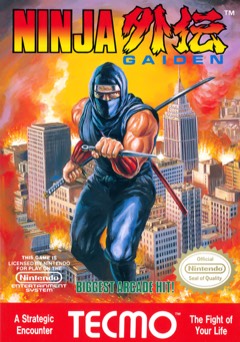
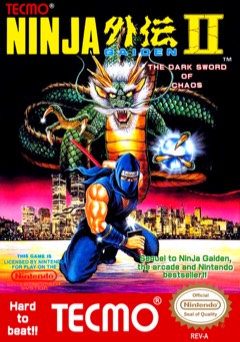
Most of us spend a lot of energy avoiding failure. We double-check emails, rehearse hard conversations and steer clear of things we might be bad at in public. Yet the same people will sit in front of Ninja Gaiden and be knocked into the same pit by the same bird thirty times in an evening, and call it fun.
The game scholar Jesper Juul calls this the paradox of failure. We avoid failing in life, yet we seek it out in games. His answer is that failure in a game does useful work. It makes us stop, reconsider and improve. The sting is real, but it points somewhere.
Unnecessary obstacles
The philosopher Bernard Suits had a lovely definition of what a game is. Playing a game, he wrote, is 'the voluntary attempt to overcome unnecessary obstacles'. Every word pulls weight. Nobody has to rescue the princess. The pits, the fireballs and the Hammer Brothers exist only because we agreed to them. Take the obstacles away and there is no game left, only a walk to the right.

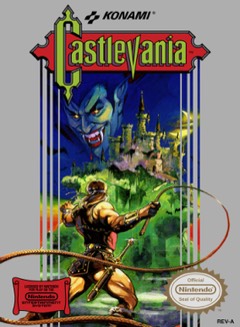
That explains something odd about the Konami code. Enter it on the title screen of Contra and you start with thirty lives instead of three. Generations of kids learned it by heart. But notice what they did with it: they kept playing Contra, still dodging, still dying, just with more rope. Nobody wanted the obstacles gone. They wanted a fair chance at them.
A failure you chose is a different animal from a failure that happened to you. It belongs to you. You can study it.
Learning by dying
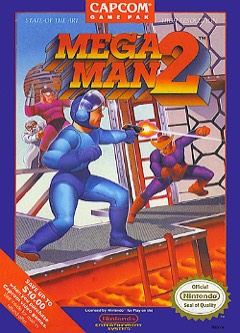
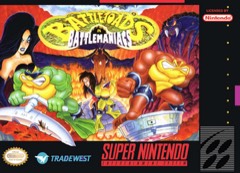
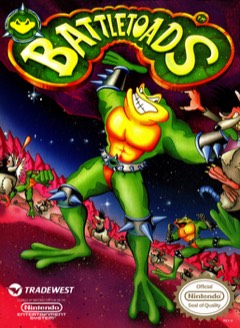
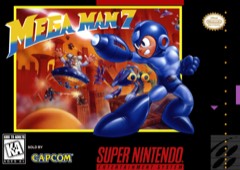
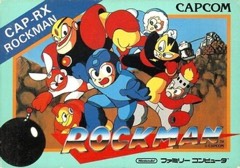
Old games were often hard, and players learned them the way you learn a piece of music: one bar at a time, by getting it wrong. Mike Tyson's Punch-Out!! is a school of failure. Each boxer knocks you down until you learn their tell, and the win comes from paying attention, not from luck. Mega Man 2 lets you pick your fights, and a loss to one Robot Master sends you off to find the weapon that beats them. The Turbo Tunnel in Battletoads gets memorised, wall by wall, crash by crash.
This is Juul's point in action. Each loss is information. The game over screen is not a verdict. It is a question: what will you try next time?
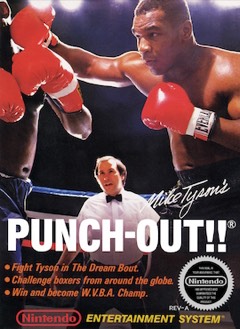
A review of the research by Isabela Granic and colleagues listed persistence after failure among the benefits that play may offer. It is a modest claim and a hopeful one. The habit of getting up again has to be practised somewhere, and a game is a safe place to practise it.
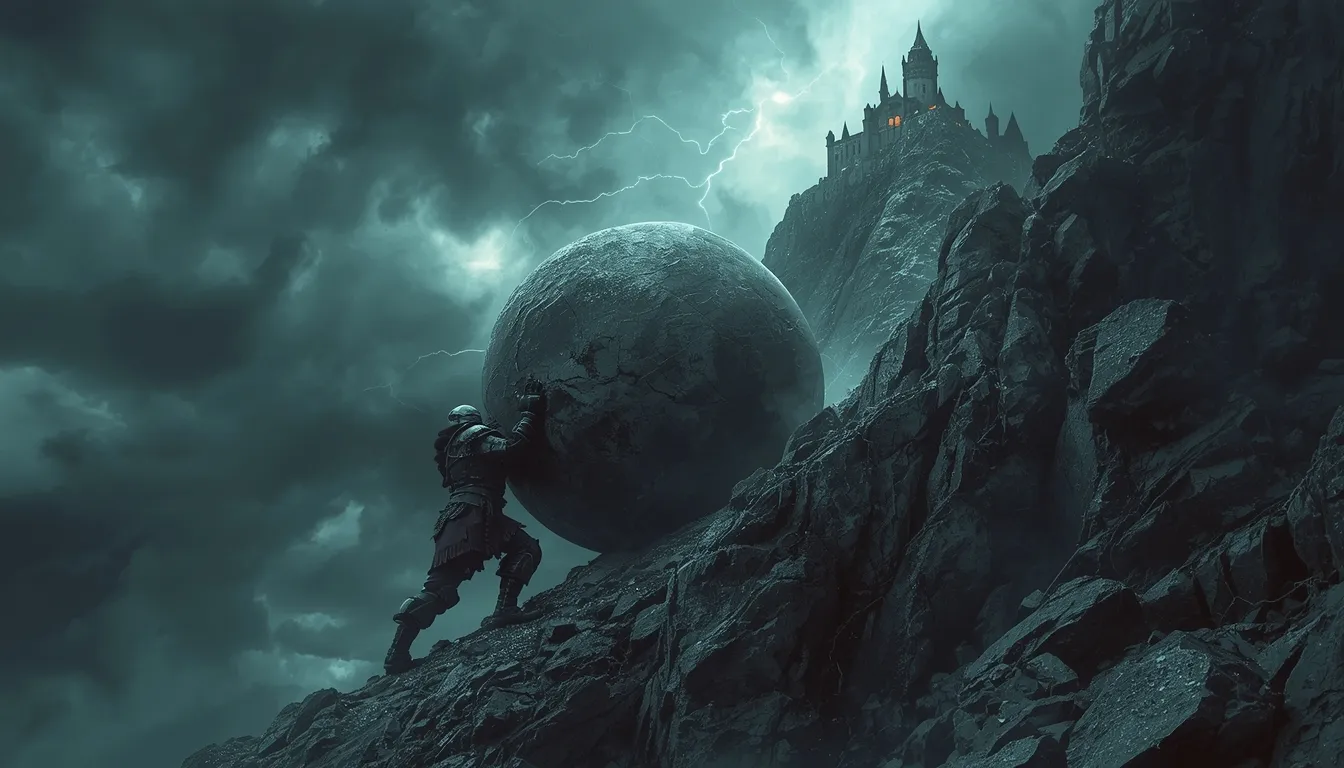
The boulder
In Greek myth, the gods punished Sisyphus by making him roll a boulder up a hill forever. Each time it neared the top, it rolled back down. It is the picture of pointless effort. The writer Albert Camus took the story and turned it around. The struggle itself, he argued, can be enough to fill a life. His essay ends: 'One must imagine Sisyphus happy.'
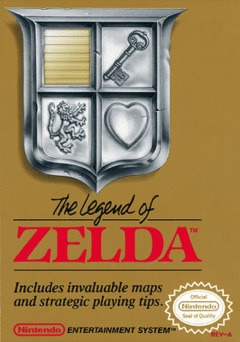
Anyone who finished The Legend of Zelda knows the feeling. Beat Ganon, rescue Zelda, and the game offers a Second Quest: the same world rearranged, with tougher dungeons. The boulder rolls back down the hill, and you go after it with a grin. Mario, too, spends his whole first game hearing that the princess is in another castle. He keeps running right.
That is not a sad image. It is the plainest description of what makes play worth doing. The reward is not the ending screen. It is the climb.
Getting up together
Failure in games is also something we share. In Super Mario Bros., when Mario falls down a hole, the controller passes to whoever is playing Luigi. Everyone in the room groans at once. Everyone has fallen down that hole. The shared groan is one of the kindest sounds a lounge room can make, because it says: us too.
Life does not come with a Second Quest, and real failures cost more than a life counter. But the games we loved taught millions of us the same small lesson at the same age: you can fall, get up and go again, and the going again is where the joy lives. One must imagine Mario happy. Watching someone hit Start one more time, it is not hard to.
Sources
- Juul, J. (2013). The Art of Failure: An Essay on the Pain of Playing Video Games. MIT Press.
- Suits, B. (1978). The Grasshopper: Games, Life and Utopia.
- Camus, A. (1942). The Myth of Sisyphus.
- Granic, I., Lobel, A., & Engels, R. C. M. E. (2014). The benefits of playing video games. American Psychologist, 69(1), 66-78. doi:10.1037/a0034857