What it was
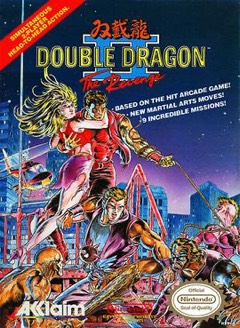
Marian is dead, killed by the Shadow Warriors, and Billy and Jimmy Lee want revenge. That is darker than most NES brawlers dared, and it gives the Lee brothers a reason to walk left to right punching people through nine missions, now side by side: unlike the first NES game, two players can fight together, with a choice of whether they can hit each other.
It borrows the arcade sequel's title, box art and plot, then goes its own way. After the first stage the levels are new, heading into a helicopter in flight, an undersea base and a string of trap rooms, with still-image cut-scenes in the style of Ninja Gaiden between missions. The fighting is direction-based, so the button you press depends on which way you face, and every move, including the spinning Cyclone Kick, a Hyper Uppercut and a Flying Knee, is yours from the start.
Where it sits in history
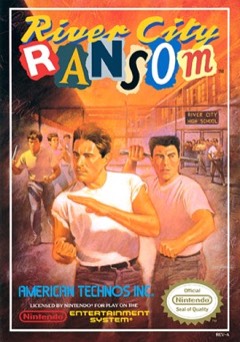
Technōs Japan developed it for the NES, directed by Hiroyuki Sekimoto, co-director of River City Ransom, with arcade director Yoshihisa Kishimoto supervising. It came out in 1989, published by Acclaim in North America and PAL regions, and Acclaim's TV advertising soon claimed it as a million seller.
The NES release ties the length to the difficulty setting. On easy the game stops after three missions, on normal after eight, and only the hardest setting lets you reach the final stage and the true ending. The Japanese Famicom version lets you play all nine missions on any difficulty, and offers continues as standard where the NES hides them behind a code.
How it plays today
Better than most NES beat 'em ups, mainly because of co-op. The hits land with weight, the Hyper Uppercut is enormously satisfying, and the variety of settings keeps it moving. With a friend on the second controller, it is still a fun evening.
The limits of the hardware show. Only two enemies appear at once, always of the same type, so fights lack the crowd pressure of the arcade. Weapons vanish after each group of enemies. The platforming in the later missions, especially the sixth, is awkward for a brawler and causes more deaths than the fighting does. And locking the ending behind the hardest setting will frustrate anyone who does not know about it.
Compared with
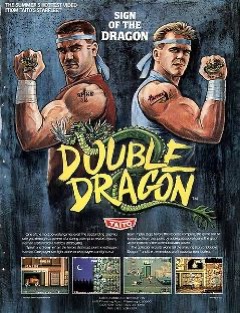
- Double Dragon: The first NES game has no simultaneous two-player and makes you earn your moves; the sequel fixes both.
- River City Ransom: Sekimoto co-directed this one too. A more open brawler, sillier and deeper, where Double Dragon II is the straighter fight.
- Battletoads: More varied and far harder; Double Dragon II mostly sticks to fighting.
Why it matters
Before Double Dragon II starts, it asks a question that says a lot about the two people holding the controllers: can the players hit each other? Pick yes and the evening changes. Every stray elbow becomes a story.
Erving Goffman wrote that a game creates a shared world with its own rules of relevance, and that engrossment together is what makes an encounter feel alive. Double Dragon II lets you set one of those rules before the first punch. With friendly fire off, Billy and Jimmy are brothers on a revenge mission. With it on, they are two siblings on a couch, which is a different and much older story. The fighting itself is limited: two enemies at a time, awkward platforms, an ending hidden behind the hardest setting. None of that is what people remember. They remember the Hyper Uppercut that landed on the wrong brother, and who laughed first.
Read: The second controller →
- Goffman, E. (1961). Encounters: Two Studies in the Sociology of Interaction ('Fun in Games').
What you're levelling up
You have been training these without noticing. Here is how to do it on purpose, and where it pays off away from the couch. All the skills games teach →
Teamwork
In the game. Billy and Jimmy fight side by side, and you choose whether they can hit each other. With a friend it's still a fun evening.
Do it on purpose. Turn friendly fire on and play a mission without hitting your mate once. Call your side.
Off the couch. Watching your mate's back, not stealing his thunder. Good teammates get invited back, and so do good partners.
Timing and rhythm
In the game. The fighting is direction-based, so the button you press depends on which way you face. The Hyper Uppercut lands with real weight when you get it right.
Do it on purpose. Practise the Hyper Uppercut on one enemy type until you land it every time.
Off the couch. Comedic timing and conversational timing are the same skill. Know when to speak, when to stop.
Planning ahead
In the game. Locking the ending behind the hardest setting will catch out anyone who doesn't know. Pick hard mode from the start.
Do it on purpose. Before you start any game, check what the setting means for the ending. Then commit to it.
Off the couch. Read the fine print on a lease, a job offer, a phone plan. Ten minutes up front saves months of regret.
Verdict · 7/10
The best Double Dragon on the NES and one of the console's better co-op games. Pick hard mode from the start, or you will miss the ending.