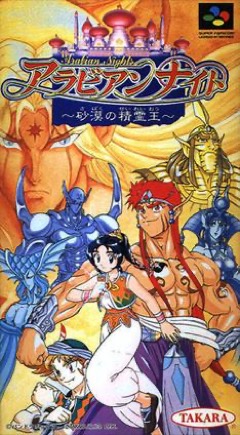
What it was
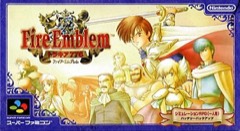
A side project that refused to stay small. Intelligent Systems started it around the beginning of 1998 as a compact companion to Genealogy of the Holy War, and it grew into a full Fire Emblem anyway. The story slots into the gap inside that game's timeline. You play Leif, a deposed prince on the run, who gathers a private army to win back his kingdom of Thracia from the Grannvale Empire.
The grid, the weapon triangle and permanent deaths are all there. What's new is the pressure. On some maps, fog of war hides everything until a unit walks into view. Attacking, opening chests and other actions pile fatigue onto a character, and a worn-out unit sits out the next chapter. Each map runs on its own algorithm, so branching routes and unit movement behave differently from one battlefield to the next.
Where it sits in history
Shouzou Kaga designed it and wrote the scenario, with Mayumi Hirota on characters and Yuka Tsujiyoko on music. Genealogy had leaned hard on story, and the war-game side suffered for it, so this time he swung back to gameplay. The basic structure comes from Mystery of the Emblem, and the fatigue system went in to push players harder. Characters got little backstory on purpose, so you fill in who they are yourself.
It came out on the Nintendo Power flash cartridge on 1 September 1999, then on a standard cartridge on 21 January 2000. It was the best-selling Super Famicom game of September and the last Fire Emblem on a home console until Path of Radiance in 2005. Kaga, Hirota and Tsujiyoko all left Intelligent Systems after it. Only Tsujiyoko came back to the series. It never left Japan; an English fan translation of the story arrived in 2007, and a fuller one called Project Exile was finished on 31 May 2019.
How it plays today
It's hard, and the reviewers agreed. Famitsu's four liked the refinements and were surprised by the jump in difficulty. Nintendo Life found it steep even by Fire Emblem standards, while praising the sound gameplay and a well thought out story. Nintendojo gave it 9.9 out of 10 and called the graphics some of the best on the system. In practice that means slow, careful turns, a scout out front, and a real sting every time someone you've raised for ten chapters goes down.
It's also the lowest seller of the era: 106,108 copies across both releases as of 2002, which made it the worst-selling Fire Emblem at that point. Famitsu's end-of-1999 estimate was higher, at 145,600. Small numbers, long memory. If you like your tactics games cruel and clever, this is the one to play with the fan patch.
Compared with
Why it matters
Thracia 776 asks you to fail a lot, and people line up for it anyway. Jesper Juul calls this the paradox of failure: we avoid failing in real life, yet we go looking for it in games, because failure makes us stop, reconsider and get better.
Fatigue makes that loop personal. Push a unit too hard and you pay for it next chapter, so every choice has a cost you can see. You get through by learning where the limits are, and that kind of earned knowledge is the part of play that sticks with you.
Read: One must imagine Mario happy →
- Juul, J. (2013). The Art of Failure: An Essay on the Pain of Playing Video Games. MIT Press.
What you're levelling up
You have been training these without noticing. Here is how to do it on purpose, and where it pays off away from the couch. All the skills games teach →
Planning ahead
In the game. Fatigue means a unit that opens chests and fights all chapter sits out the next one, so you plan two chapters at a time.
Do it on purpose. Before each map, name which three units you'll rest next chapter, then stick to it.
Off the couch. Look at next week before you say yes to everything this week. Resting on purpose is how you turn up fresh for the deadline, or the date, instead of running on fumes.
Judging risk
In the game. On fogged maps the enemy stays hidden until your unit steps into range, so every advance is a bet on what's out there.
Do it on purpose. Send a spare unit ahead as the scout, and only commit the army once you've seen the ground.
Off the couch. It's knowing when to test the water before you put your savings in, or before you ask someone out.
Bouncing back
In the game. Units that fall are gone for good and the difficulty jump is real, so losing a chapter is part of the deal.
Do it on purpose. After a loss, write down the one decision that cost you, then replay the map with only that changed.
Off the couch. When a plan blows up at work or a night goes wrong, skip the long post-mortem. Find the one call that mattered, change it next time, and let the rest go.
Verdict · 9/10
A mean, clever, Japan-only tactics game that makes you earn every unit you keep. Not a gentle way into the series, but a great one to be stubborn at.