What it was
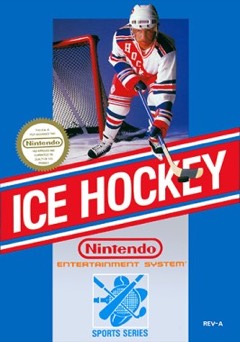
Hockey cut down to its bones. Each side has five on the ice, goalie included, one fewer than the real game, and a match runs three periods. Every skater falls into one of three builds: a quick, slight one who wins face-offs and gets knocked flat, an all-rounder, and a big slow one who loses face-offs but hits and shoots hardest. Picking which kind of skater to use is most of the tactics, and it matters more than it looks.
Then there are the fights. Let two players tussle over the puck long enough and their teammates pile in, and whoever loses the scrap goes to the penalty box. The crowd gets louder as a close game ticks under two minutes. None of it is realistic, and all of it feels like hockey.
Where it sits in history
Nintendo R&D4 made it, with Hideki Konno directing, Masayuki Uemura and Shigeru Miyamoto producing and Soyo Oka on music. Narumi Nakajima and Hiroaki Hontani of Pax Softnica helped with the programming; Hontani had directed Volleyball for Nintendo, and this was his last Nintendo project before he left Pax Softnica. It came out on the Famicom Disk System in Japan on 21 January 1988, then on NES cartridge in North America that March and in Europe in April.
Konno went on to direct and produce Super Mario Kart, Yoshi's Island and Luigi's Mansion. Electronic Gaming Monthly put Ice Hockey at 94 in its 100 best console games, Nintendo Power at 142 in its top 200 Nintendo games, and IGN at 100 in its top 100 NES games. It reached the Wii Virtual Console in 2006 and Nintendo Classics on Switch in September 2018.
How it plays today
Better than almost any sports game of its age. Matches are short, the puck moves fast, and the three builds give you real decisions without a single menu of statistics. One big skater who can clear a crease is worth the face-offs you lose.
Against a friend it is loud and silly and close, which is the point. Alone it holds up for a while, but this was made for two controllers and one couch.
Compared with
- Blades of Steel: Konami's NES hockey game, the same year: the obvious rematch.
- Volleyball: Directed by Hiroaki Hontani, who helped program Ice Hockey.
- Super Mario Kart: Hideki Konno directed it later, and you can feel the same instinct for chaos between friends.
Why it matters
Ice Hockey lets its players brawl, then sends the loser to the penalty box like a referee would. The violence is cartoon violence with a rule around it, and that rule is what makes it funny instead of nasty.
Huizinga described play as a space set apart from ordinary life, free and bounded, with its own order. A scrap on this rink belongs inside that space. Two friends can shove each other's skaters around for an evening and leave the couch better mates than they sat down.
Read: The magic circle: the world that rules make →
- Huizinga, J. (1938/1949). Homo Ludens: A Study of the Play-Element in Culture.
What you're levelling up
You have been training these without noticing. Here is how to do it on purpose, and where it pays off away from the couch. All the skills games teach →
Systems thinking
In the game. Every skater is one of three builds: quick and slight wins face-offs but gets knocked flat, an all-rounder, or big and slow who loses face-offs but hits and shoots hardest. The mix is most of the tactics.
Do it on purpose. Play three games with three different line-ups and note what each one wins and costs you. Then build the one that covers your weak spot.
Off the couch. A good footy side, or a good team at work, isn't five of the same person. Know what each type brings and pick the mix.
Keeping your cool
In the game. Let two players tussle long enough and their teammates pile in, and the loser of the scrap goes to the penalty box. The crowd gets louder as a close game ticks under two minutes.
Do it on purpose. In the last two minutes of a close game, keep your thumbs loose and pass instead of forcing a shot. Count the chances you make.
Off the couch. The last two minutes are where people lose it. A heated moment at the pub, a tense first dinner with your partner's parents: stay level and you're the one they remember well.
Winning and losing well
In the game. Against a friend it's loud, silly and close, with cartoon fights and a penalty box to keep it fair.
Do it on purpose. Play a mate best of five. Lose one, say good game and run it back. Up by heaps? Swap to your weaker line-up.
Off the couch. Social sport on a Tuesday night. Whoever shakes hands after a loss gets picked again; whoever chucks their stick doesn't.
Verdict · 8/10
Five a side, three body types and brawls nobody started on purpose. Still one of the best two-player games on the NES.