Rules
The magic circle: the world that rules make
Press Start and a small world switches on, with its own laws, its own stakes and its own time. A Dutch historian saw it first.
Power on
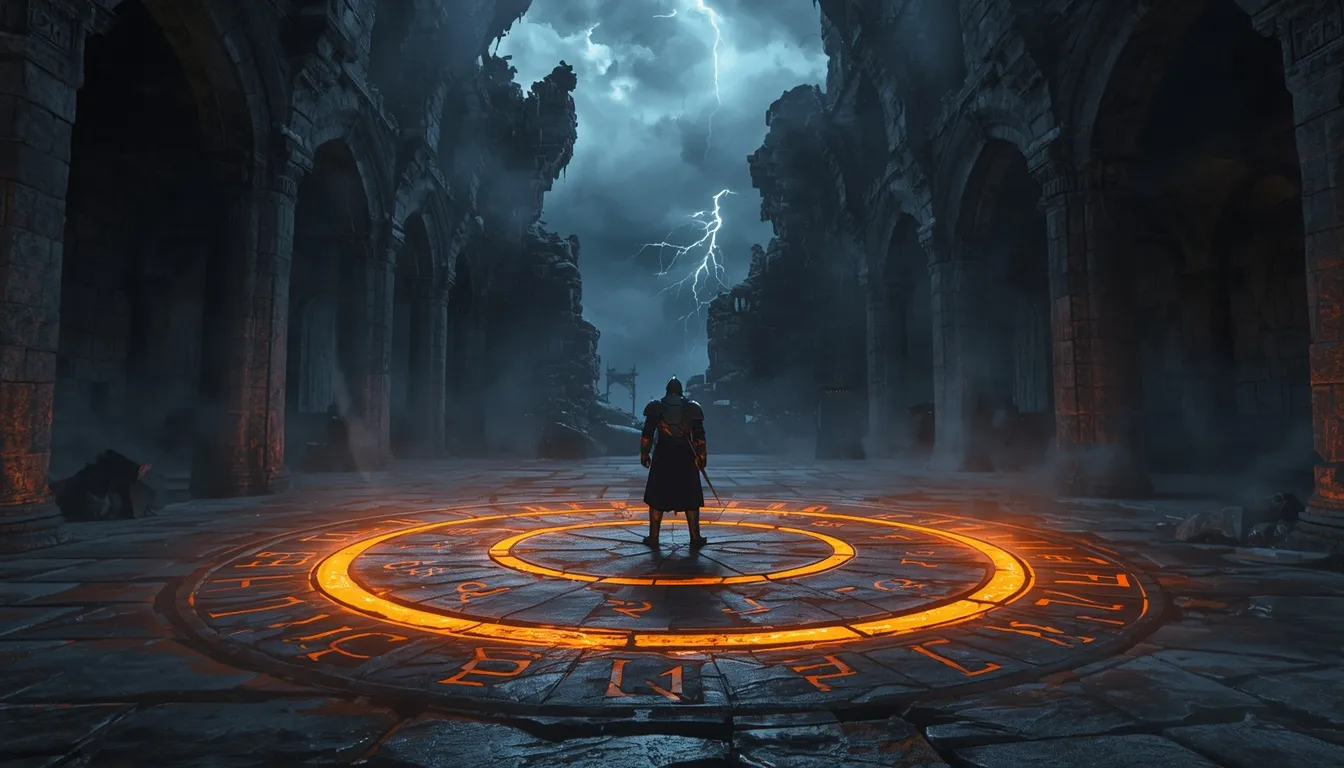
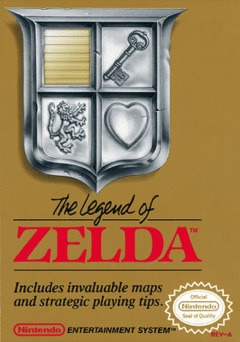
Push the power button, wait for the title screen, press Start. Something changes in the room that has nothing to do with electricity. A moment ago you were a kid on the carpet with homework due. Now you are standing at the mouth of a cave in Hyrule, and the only things that matter are hearts, rupees and what lies to the north.
The Dutch historian Johan Huizinga noticed this long before anyone plugged in a Famicom. In his 1938 book Homo Ludens, he described play as free, bounded, and carrying its own order. It happens inside a space set apart from ordinary life. That space has come to be called the magic circle, and once you know the phrase, you see the circle everywhere: the footy oval, the chessboard, the square of lounge room in front of the television.
Inside, the rules are the world
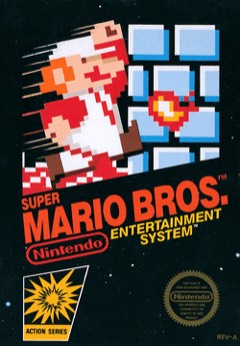
The philosopher Bernard Suits defined playing a game as 'the voluntary attempt to overcome unnecessary obstacles'. The rules create those obstacles, and in doing so they create the world. In Super Mario Bros., a hole in the ground is death. There is no climbing out, no calling for help. That is not how holes work anywhere else, but inside the circle, it is simply true.
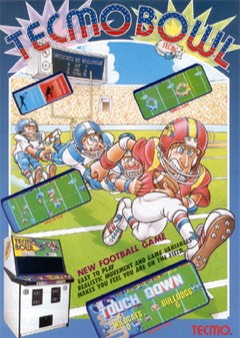
The sociologist Erving Goffman wrote an essay called 'Fun in Games'. In it he argued that each game sets up its own rules of relevance: what counts inside the game, and what quietly stops counting. In Tecmo Bowl, nobody cares that the players are a few dozen pixels tall. What matters is whether you picked the right play. The real world does not vanish. The game just decides which parts of it are allowed in.
That is why the rules feel so solid. A Goomba is not a threat in any ordinary sense. But you and everyone watching agree it is, and that agreement is what gives the game its weight.
Four ways in
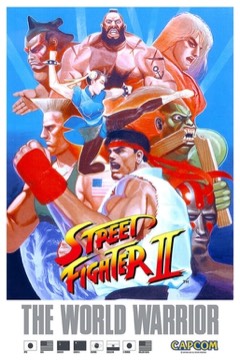
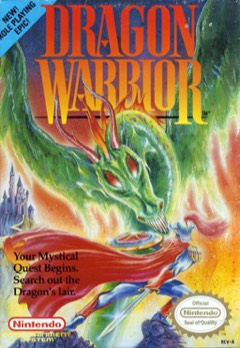
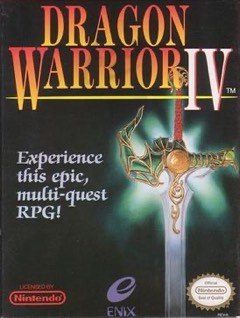
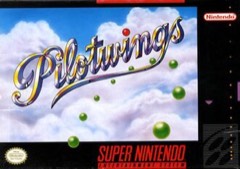
The French writer Roger Caillois took Huizinga's idea and sorted play into four kinds. There is agon, or competition: Street Fighter II, two players, one winner. There is alea, or chance: the random encounter in Dragon Warrior, or the spinning card at the end of each level in Super Mario Bros. 3. There is mimicry, or make-believe: holding the Zapper for Duck Hunt and being, for a few minutes, someone who shoots ducks. And there is ilinx, or vertigo: the pleasant dizziness of F-Zero at full speed, or Pilotwings as the ground tilts and swings below you.
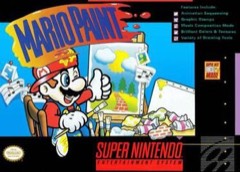
Caillois also drew a line from paidia, free and messy play, to ludus, play bound by rules. Doodling in Mario Paint, or building a silly track in the design mode of Excitebike, sits near the paidia end. Chasing a Tetris high score sits firmly at ludus. Most great games move between the two, and so do most great afternoons.
The edge of the circle
The circle is sturdy on the inside and fragile at the edge. The pause button is a door in its wall: press it and the world holds its breath while you go and answer the phone. The reset button is a wrecking ball. Anyone whose little brother hit it mid-dungeon, before the game had saved, knows the feeling. It is not really the lost progress that stings. It is that someone walked through the wall of a world you were living in.
Goffman saw that what makes an encounter feel alive is engrossment, and especially engrossment together. A game played with a friend who has stopped caring goes flat, even if every rule is still followed. The circle holds because the people inside it hold it up.
Worlds we agree to
Huizinga's big claim was that play is older than culture. It is tempting to take the thought one step further. Look at a courtroom, a wedding or a grand final and you see the same pattern: a marked-off space, agreed rules, stakes that matter because everyone present agrees they matter. People have always built little worlds out of shared agreement. Games are where most of us first learned how.
So the magic circle is not a place to hide from real life. It is a small, clear demonstration of something people do all the time and rarely notice. When you hand a friend the second controller and both of you accept that the pit is deadly and the flag is the goal, you are building a world together, from nothing but trust. That is worth being alive for. It is also, when you think about it, how everything else we share was built.
Chance is the oldest of Caillois’s four. To feel alea on its own, with nothing riding on it but the roll, open a dice roller and watch how quickly a number becomes a story.
Sources
- Huizinga, J. (1938/1949). Homo Ludens: A Study of the Play-Element in Culture.
- Suits, B. (1978). The Grasshopper: Games, Life and Utopia.
- Goffman, E. (1961). Encounters: Two Studies in the Sociology of Interaction ('Fun in Games').
- Caillois, R. (1958/1961). Man, Play and Games (trans. M. Barash).