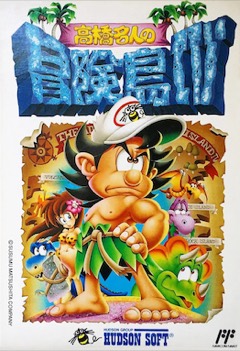
What it was
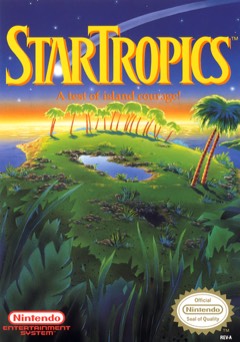
Mike Jones, a teenage baseball captain from Seattle, travels to a South Seas island to visit his archaeologist uncle and finds him gone. Armed with a yo-yo from the village chief and his uncle's submarine, Mike works his way across the islands, and the story drifts cheerfully from missing-person case to alien abduction.
Each chapter has two halves. Above ground you walk villages and talk to everyone. Underground, the view tightens and the game becomes a dungeon crawl through rooms of enemies and obstacles. Mike starts with the yo-yo and picks up more weapons and tools along the way, several of them borrowed from baseball.
Where it sits in history
Genyo Takeda, the producer, writer and director behind Punch-Out!!, made it at Nintendo Integrated Research & Development. It came out in 1990 for North America and Europe, and never in Japan, which was rare for a Nintendo-made game. A sequel, Zoda's Revenge: StarTropics II, followed in 1994.
The cartridge shipped with a paper letter from Mike's uncle. Partway through, the game tells you to dip it in water to reveal a code, and Nintendo Power printed the number for fans who asked. Modern releases supply it for you: the Wii version animates the letter in its digital manual, and Nintendo put the code on its support site for Switch players.
How it plays today
The dungeons are the reason to play, and they still hold up. They mix combat with light puzzles in a way that feels close to Zelda but more directed, and clearing each one feels earned. The island setting and bright, chatty characters give it a warmth few NES adventures bother with.
It is also stricter than it looks. Movement in the dungeons is exacting, a misstep costs you, and a few rooms feel unfair until you know their tricks. The overworld sections are thin; you mostly walk from one conversation to the next. Stick with it past the first couple of chapters and the design opens up.
Compared with
- The Legend of Zelda: The obvious ancestor. StarTropics trades Hyrule's open map for a linear story and more elaborate dungeons.
- Zoda's Revenge: StarTropics II: The 1994 sequel continues Mike's story; play this one first.
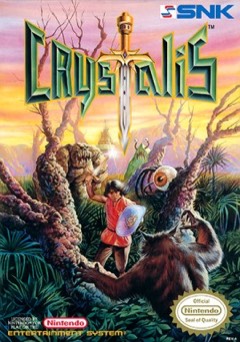
- Crystalis: Another NES action-adventure that moves through its world one story beat at a time, with more RPG in the mix.
Why it matters
Partway through StarTropics, the game stops and tells you to dip a letter in water. Not a letter on screen: the real paper letter from Mike's uncle, folded in the box beside the cartridge. Off you went to the kitchen sink.
Johan Huizinga described play as taking place inside a magic circle, bounded and set apart from ordinary life, with its own order. Most games keep that boundary tidy. StarTropics pokes a hole in it on purpose, and the thrill comes from the leak. Suddenly the game knows about your house, your tap, your hands, and for a moment the island and the bedroom are one place. It also shows how much the circle depends on people keeping it. Players who lost the letter asked Nintendo Power, and the magazine printed the code. Nintendo now puts it on a support page for Switch players. Decades on, somebody is still holding the door open for whoever arrives late.
Read: The magic circle: the world that rules make →
- Huizinga, J. (1938/1949). Homo Ludens: A Study of the Play-Element in Culture.
What you're levelling up
You have been training these without noticing. Here is how to do it on purpose, and where it pays off away from the couch. All the skills games teach →
Problem solving
In the game. The dungeons mix combat with light puzzles, closer to Zelda but more directed. A few rooms feel unfair until you know their trick.
Do it on purpose. When a room beats you twice, stop and look at every tile before moving. Work out the trick, then play.
Off the couch. Stopping to look before charging in fixes heaps of problems at work and with the car.
Bouncing back
In the game. It's stricter than it looks: movement in the dungeons is exacting and a misstep costs you. Stick with it past the first couple of chapters and it opens up.
Do it on purpose. Play just one dungeon a session until it clicks. Note which room cost you the most lives.
Off the couch. Most things that are worth it take a few awkward goes. New job, new sport, getting back on the apps after a knockback.
Curiosity
In the game. Above ground you walk villages and talk to everyone. The chatty island characters are where the clues and the warmth come from.
Do it on purpose. Before each dungeon, talk to every villager twice. See which line ends up mattering underground.
Off the couch. Chatting to strangers properly, the barista, the person behind the counter at the servo, makes you easy to be around. And a lot more interesting on a first date.
Verdict · 8/10
A charming, slightly stubborn adventure with some of the best dungeons on the NES. Worth the few hours it takes to click.