Level up

Level up

Problem solving

Stuck, then suddenly not.

The Legend of Zelda never tells you to bomb that wall. You work it out, or you do not. That moment of being stuck, trying things, and then seeing it is the oldest pleasure in games.

Strategy and role-playing games in particular line up with better self-reported problem solving in teenagers over time, and better grades after that.

Train it on purpose

  1. Ban walkthroughs for one game. Give yourself a day on any puzzle before you look.
  2. When you are stuck, list what you have not tried yet. Out loud or on paper.
  3. Explain the solution to someone else after. If you cannot, you got lucky.

Off the couch

Broken tap, weird bug at work, a fight with your partner you cannot quite get to the bottom of. Same process: what do I know, what have I not tried, what would happen if. People who can sit in 'stuck' without panicking solve more, and they are the ones others call.

Sources

  1. Adachi, P. J. C., & Willoughby, T. (2013). More than just fun and games: The longitudinal relationships between strategic video games, self-reported problem solving skills, and academic grades. Journal of Youth and Adolescence, 42(7), 1041-1052. doi:10.1007/s10964-013-9913-9
Games that train it

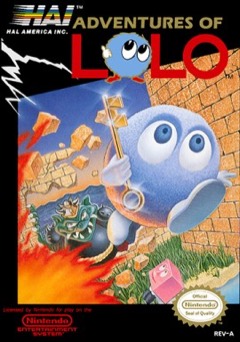
Adventures of Lolo coverAdventures of Lolo
Each room's a closed puzzle you can read at a glance and still get wrong for twenty minutes. Monsters turned into eggs become bridges, blockers or something to clear away.
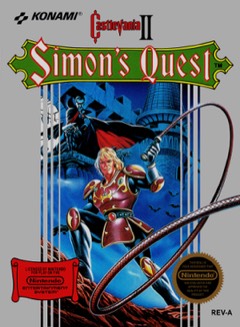
Castlevania II: Simon's Quest coverCastlevania II: Simon's Quest
Villagers give clues and some of them lie. At one cliff you need to summon a tornado with the right crystal, and nothing tells you.
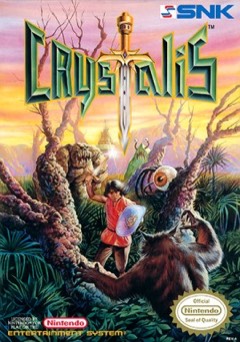
Crystalis coverCrystalis
Four swords, wind, fire, water and thunder, each open a different barrier. The water sword freezes bridges over rivers, and some enemies only fall to the right element.
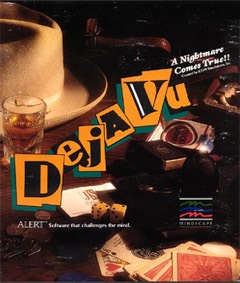
Déjà Vu coverDéjà Vu
You wake in a toilet stall at Joe's Bar with no memory, a dead body upstairs and a needle mark. Some puzzles want detective work, some want a punch.
Donkey Kong Country 3: Dixie Kong's Double Trouble! coverDonkey Kong Country 3: Dixie Kong's Double Trouble!
Thirteen Brothers Bear trade hints, items and services for Bear Coins, and a long chain of swaps between them opens the true ending.
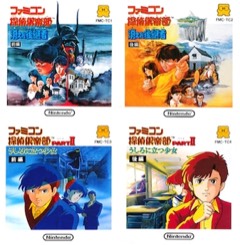
Famicom Tantei Club: Kieta Kōkeisha - Zenpen coverFamicom Tantei Club: Kieta Kōkeisha - Zenpen
You pick from Ask, Examine, Take, Show and Go, and progress often means trying every command on every person until something new happens.
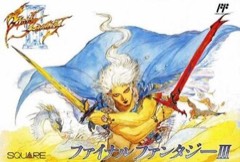
Final Fantasy III coverFinal Fantasy III
Any character can switch to any unlocked job between fights: Dragoons leap, Ninjas steal, Summoners call monsters. Finding the one job that makes a dungeon easy is the whole fun.
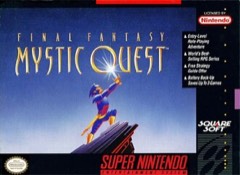
Final Fantasy Mystic Quest coverFinal Fantasy Mystic Quest
Weapons work outside a fight: the axe cuts trees, bombs open walls and the Dragon Claw doubles as a grappling hook. Sliding ice pillars across the Falls Basin is a proper puzzle.
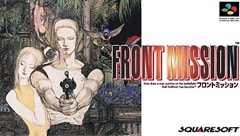
Front Mission coverFront Mission
Every part has its own health. Shoot the legs and a dangerous machine crawls one square at a time; shoot an arm and its weapon goes with it.
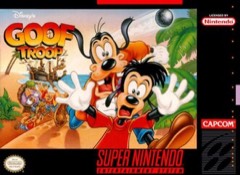
Goof Troop coverGoof Troop
You beat enemies by throwing barrels and bombs, kicking blocks into them, knocking them off ledges or luring them into each other's fire.
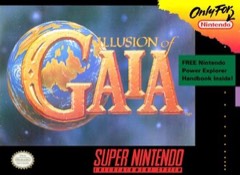
Illusion of Gaia coverIllusion of Gaia
Will can become Freedan, a dark knight with a sword, and later Shadow, a being of pure energy, to reach places and fight what the others can't.
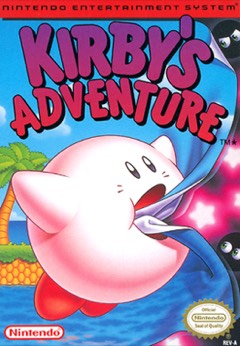
Kirby's Adventure coverKirby's Adventure
Some copy abilities open new routes and some change how a whole level plays. The question in every room is which power you carry in.
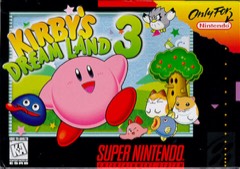
Kirby's Dream Land 3 coverKirby's Dream Land 3
Each level hides a Heart Star, usually won by solving a small puzzle with the right animal friend and power. Some are charming, some are obscure.
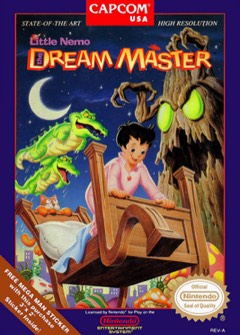
Little Nemo: The Dream Master coverLittle Nemo: The Dream Master
Each animal Nemo rides, a frog, a gorilla, a mole, is a tool and a trade-off. Working out which to bring through a room is the real game.
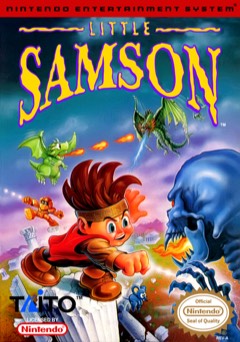
Little Samson coverLittle Samson
Working out who to bring to which part of a level is the fun of it. The game asks more than it explains.
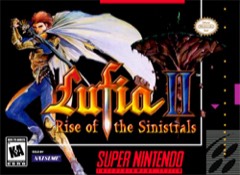
Lufia II: Rise of the Sinistrals coverLufia II: Rise of the Sinistrals
Hundreds of dungeon puzzles solved with a bow, bombs and a hookshot, and monsters only move when you do. Each one is a small, fair problem.
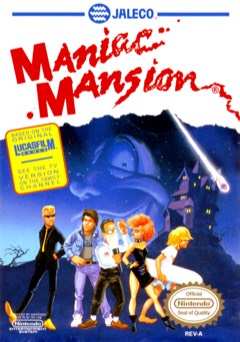
Maniac Mansion coverManiac Mansion
Syd and Razor play instruments, Bernard fixes appliances, and many puzzles only work for certain characters. The team you pick decides your route through the house.
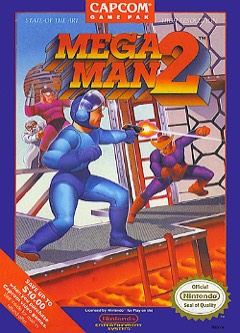
Mega Man 2 coverMega Man 2
Every boss weapon is some other boss's weakness. Working out the chain from Metal Man to Wood Man is half the game.
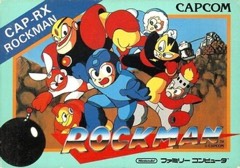
Mega Man coverMega Man
Six Robot Masters, every one weak to another's weapon. Choosing the order is the real puzzle.
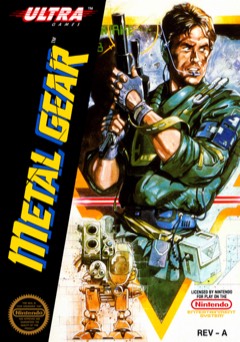
Metal Gear coverMetal Gear
Matching key cards to doors means a lot of trial and error, and the jungle mazes are guesswork.
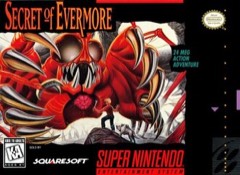
Secret of Evermore coverSecret of Evermore
Each world has its own money and markets that run on bartering rice, spices and tapestries. Getting what you need means working out the trade chain.
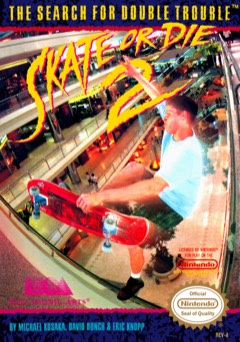
Skate or Die 2: The Search for Double Trouble coverSkate or Die 2: The Search for Double Trouble
The plot is daft but the jobs are real: deliveries against the clock in the mall, chasing blueprint pages on the beach. Each stage is a different puzzle.
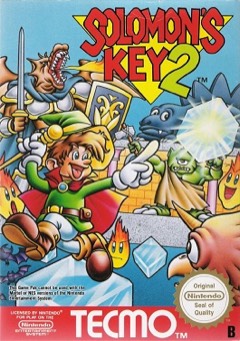
Solomon's Key 2 coverSolomon's Key 2
The rules fit in a paragraph, and the stages ask for the same few moves in orders you'd never guess. Stuck, then suddenly not.
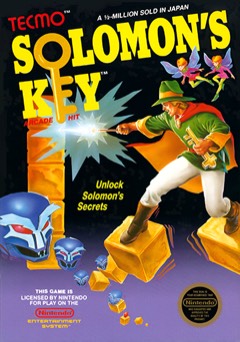
Solomon's Key coverSolomon's Key
A room looks impossible, then you see the one block you need to make, and it falls open. Every room is a riddle.
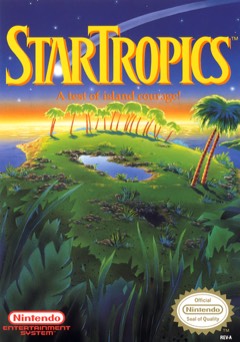
StarTropics coverStarTropics
The dungeons mix combat with light puzzles, closer to Zelda but more directed. A few rooms feel unfair until you know their trick.
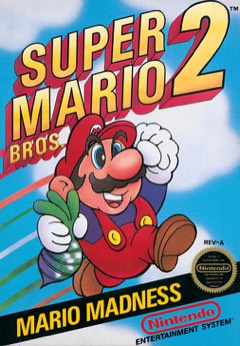
Super Mario Bros. 2 coverSuper Mario Bros. 2
Before each stage you pick a hero, and the stage is a small question: Luigi's height or the Princess's float?
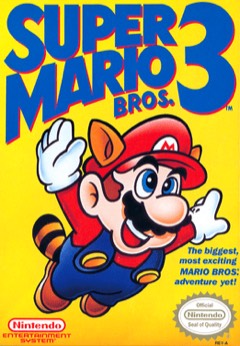
Super Mario Bros. 3 coverSuper Mario Bros. 3
The Frog Suit makes water easy and dry land awkward, the Tanooki Suit turns you to stone. Every stage is built to test which suit fits.
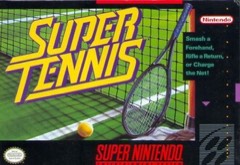
Super Tennis coverSuper Tennis
Several buttons give you different shots, the surfaces change the bounce, and the game never explains any of it. You learn by losing.
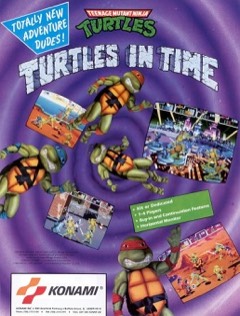
Teenage Mutant Ninja Turtles IV: Turtles in Time coverTeenage Mutant Ninja Turtles IV: Turtles in Time
The Technodrome fight against Shredder's tank only ends when you throw enemies at the camera. Swinging harder won't do it; thinking differently will.
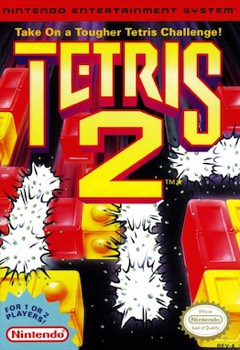
Tetris 2 coverTetris 2
Some pieces aren't solid; their squares touch only at the corners. There's a moment where you stop seeing them as nuisances and start using them as tools.
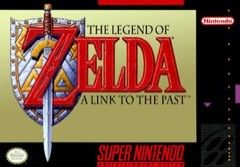
The Legend of Zelda: A Link to the Past coverThe Legend of Zelda: A Link to the Past
Dungeons stack over several floors, with holes to drop through, and each one hands you an item that changes how you look at the overworld.
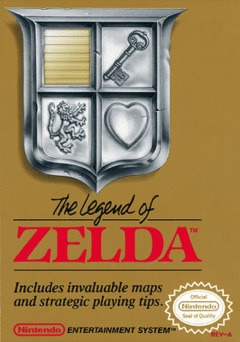
The Legend of Zelda coverThe Legend of Zelda
Eight dungeons hide the pieces of the Triforce, and the game tells you almost nothing. Finding them is your problem.
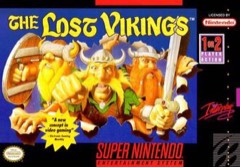
The Lost Vikings coverThe Lost Vikings
You look at a room and think: Olaf first, then Erik, and Baleog shoots that switch. The three are such clear tools the puzzles explain themselves.
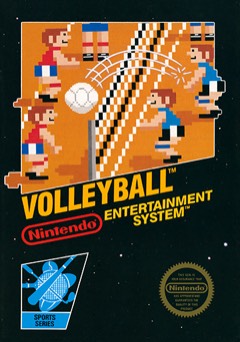
Volleyball coverVolleyball
Serve by pressing the same button twice, then work out where the ball actually is. The game doesn't help.
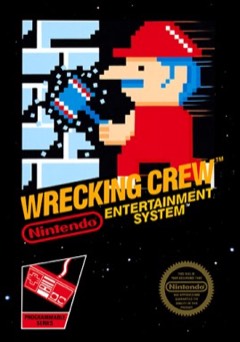
Wrecking Crew coverWrecking Crew
Bombs bring down everything joined to them, barrels won't break, and Spike stalks you knocking things loose. Every failure is your own bad order.
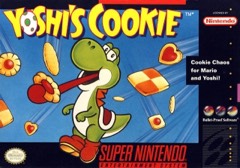
Yoshi's Cookie coverYoshi's Cookie
Puzzle Mode gives you set grids to clear in a limited number of moves, and the tempting first move is often wrong.
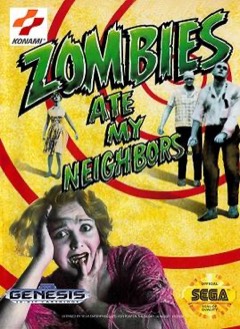
Zombies Ate My Neighbors coverZombies Ate My Neighbors
Each monster has a weakness out of the old films: cutlery kills a werewolf in one hit, and a crucifix finishes a vampire faster.