What it was
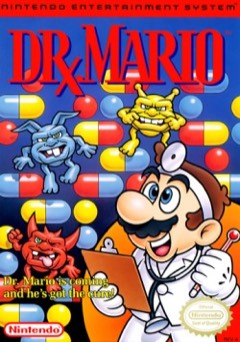
Mario swaps his overalls for a white coat and tosses two-colour capsules into a medicine bottle. Red, yellow and blue viruses sit waiting in the glass. Line up four of one colour, pills or viruses, in a row or column and they vanish; anything left unsupported drops, and if it lands on a new match, that clears too. Clear every virus and the level is done. Let the pills stack up to the bottle's narrow neck and it is over.
Before you start, you pick a level from 0 to 20, which sets how many viruses you face, then one of three speeds and a tune. Every fifth level cleared on medium or high speed, the three viruses get a little interlude to themselves, sitting in a tree. Two players can race side by side, and big clears or chain reactions drop junk into your rival's bottle. First to three wins.
Where it sits in history
Nintendo released Dr. Mario on the Famicom in Japan on 27 July 1990 and in North America that October, with a Game Boy version the same year. Gunpei Yokoi, who made the Game & Watch and the Game Boy, produced it; Takahiro Harada programmed it; Hirokazu Tanaka wrote the music. An arcade version of the two-player mode launched in August 1990.
It sold 2.5 million cartridges in North America in its first six weeks and seven million worldwide in two months, and passed ten million across platforms. Not everyone was pleased. Some parents disliked medicine as a children's toy, ACE magazine called it plagiarism, and years later Henk Rogers of the Tetris Company said he saw it as Nintendo trying to build its own Tetris. Since then there has been a version, remake or sequel on every Nintendo home console.
How it plays today
Tetris asks you to fit shapes. Dr. Mario asks you to plan for gravity. The viruses do not move, so every level is a fixed puzzle, and the joy is in setting up a pill that clears one line and drops its other half onto a second. On low speed it is calm enough to play while talking. On high, with a full bottle, it is as tense as anything on the console.
Two-player is where it shines. Sending a pile of junk into a friend's bottle at the last second is a small, loud triumph. And Tanaka's music has not aged a day; IGN later placed it seventh among the greatest 8-bit soundtracks.
Compared with
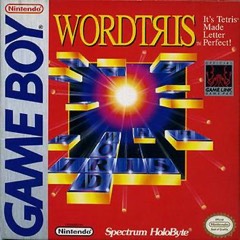
- Tetris: The game it was set against; faster, purer, and about shapes rather than colours.
- Tetris & Dr. Mario: The 1994 Super NES pairing, with an enhanced remake of this game.
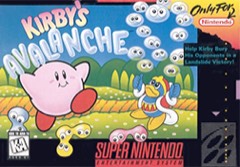
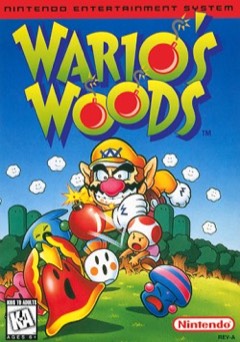
- Tetris Attack: Another colour-matching puzzle on Nintendo hardware, swapping falling pills for rising blocks.
Why it matters
Watch someone on a fast level and they stop talking. The bottle fills, the next pill is already showing, and every placement gets an instant answer: a clear, a chain, or a mess. Csikszentmihalyi called this flow, the deep absorption that comes when the challenge matches your skill, the goal is clear and feedback is immediate. Time bends; you look up and the evening has gone.
Dr. Mario builds that state from almost nothing: three colours and a falling pill. Choose a level and a speed and you set the challenge yourself, nudging it up as you improve. It is a small machine for meeting yourself at the edge of what you can do.
Read: The zone: why good games make time disappear →
- Csikszentmihalyi, M. (1990). Flow: The Psychology of Optimal Experience.
What you're levelling up
You have been training these without noticing. Here is how to do it on purpose, and where it pays off away from the couch. All the skills games teach →
Deep focus
In the game. On a high-speed level the bottle fills, the next pill is already showing, and the room goes quiet. Every placement gets an answer straight away: a clear, a chain or a mess.
Do it on purpose. Find the level where you start making messes. Play five in a row with your phone in another room, notice the moment you drop in, then bump it up one.
Off the couch. Uni assignments, the tax return, the report your boss wants by five. Drop into one thing and stay there and you finish while your mates are still scrolling.
Planning ahead
In the game. The viruses never move, so every bottle is a fixed puzzle. The real fun is a pill that clears one line and drops its other half onto a second match.
Do it on purpose. Before each drop, check the next pill in the preview and decide where both go. Count the chains you set up on purpose against the ones you got by luck.
Off the couch. Money works the same way. Set up this month so next month falls into place: rent, rego, the trip with your mates in March. Two moves out beats scrambling.
Winning and losing well
In the game. Two-player is first to three, and big clears dump junk into your rival's bottle. Sending a pile across at the last second is a small, loud triumph.
Do it on purpose. When you're up two-nil, stop dumping junk and try to win the last round on clean clears alone. If you lose, say good game and ask for another.
Off the couch. Games night with someone you're keen on. Gloat and you're done. Lose with a grin, ask for a rematch, and you're the one they want to play again.
Verdict · 8/10
A tidy puzzle with one of the best soundtracks on the NES. Better with a friend, and easy to lose an hour to alone.