What it was
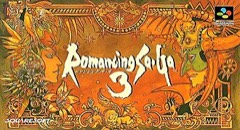
An RPG that hands you the keys and walks off. You pick one of eight heroes, play their opening chapter, then the game opens up and lets you chase main quests and side quests in any order you like. What you do shapes a hidden Karma value that can open or lock quests down the track.
There are no experience points. After a fight, stats rise based on what you actually did in it, and new moves arrive through a system called Glimmer, a flash of insight triggered by weapon use. Each character holds eight skill slots, so a fresh technique can bump an old one. Characters have Life Points too, and when those run out, they're gone for good. Some heroes even come with their own side game: Mikhail runs a nation and fights a war, Thomas makes his fortune trading.
Where it sits in history
Work began in December 1993, straight after Romancing SaGa 2, with full production kicking off in the summer of 1994. Series creator Akitoshi Kawazu directed, wrote and designed, and called the production 'troublesome'. He wanted to return to the open feel of the first game without repeating it, and the character-specific mini-games came from ideas his team threw at him. They started out far grander. Kawazu once planned for players to be able to finish the whole game through them.
It came out on 11 November 1995 and was the last SaGa game on the Super Famicom. Square never released it outside Japan. The reasons given are its complexity and the sheer amount of text to translate. It sold 1.3 million copies in Japan by 2002, the second best seller of the Romancing SaGa games. Kawazu's follow-up began on the Super Famicom too, then moved to the PlayStation and became SaGa Frontier.
How it plays today
Critics of the 2019 remaster say much the same things the original's fans did. They like the layered combat and the sheer number of ways to play, and they gripe that the game never explains itself. Nintendo Life's Mitch Vogel called out that it punishes you for knowledge it never gave you. Reviewers praised the redrawn backgrounds and the sprites kept faithful to the original.
Go in expecting to get lost and to lose a character or two. The remaster adds a New Game Plus and an autosave after every fight, which takes a lot of the sting out. Pick whoever's opening grabs you, and don't worry about doing it 'right'.
Compared with
- Romancing SaGa: The 1992 original this one returns to: eight heroes and a free-roaming world.
- Romancing SaGa 2: The 1993 sequel, where one empire is carried across generations of rulers.
- Final Fantasy VI: Square's other big Super Famicom RPG of the period, far more guided.
Why it matters
Most games tell you exactly what to do and then reward you for doing it. This one lets you stumble, and stumbling turns out to be the point. Researcher Jesper Juul writes that we avoid failing in life yet seek it out in games, because failing makes us stop, rethink and get better.
Romancing SaGa 3 is that idea turned up high. You lose someone, you work out why, and you walk into the next fight a bit wiser. Nobody holds your hand, and somehow you remember every mistake like a mate's old story.
Read: One must imagine Mario happy →
- Juul, J. (2013). The Art of Failure: An Essay on the Pain of Playing Video Games. MIT Press.
What you're levelling up
You have been training these without noticing. Here is how to do it on purpose, and where it pays off away from the couch. All the skills games teach →
Curiosity
In the game. After the opening chapter you're free to follow any quest in any order, and new places only unlock by talking to people or taking on quests.
Do it on purpose. Take a quest you'd normally skip, just to see what it unlocks.
Off the couch. Chasing the odd lead is how you find the better job, the better mate or the better route home.
Systems thinking
In the game. Stats rise based on what you did in battle, and skills Glimmer from weapon use. Eight slots means a new move can push out an old one.
Do it on purpose. Pick one character, give them one weapon type for a whole dungeon and watch what grows.
Off the couch. Work out what your habits actually feed, whether that's your fitness, your money or your patience.
Judging risk
In the game. Characters carry limited Life Points, and if most of them run out, they're gone for good. Fight on or retreat to the inn?
Do it on purpose. Set yourself a line before the boss, such as 'one down and I retreat', and stick to it.
Off the couch. Knowing when to cut your losses beats pride at the pokies, the poker table and the pub.
Verdict · 8/10
A game that trusts you to find your own way and won't say sorry for it. Messy, generous and a bit unforgettable.