What it was
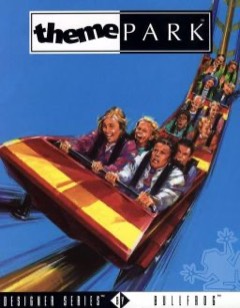
You start with a bare plot of land and a few hundred thousand pounds, and the job is to build a park people will pay to be in. Rides, shops, toilets, trees, staff. You set the entry price. You take out loans. You even tweak the recipes: change how much sugar goes in the ice cream and the punters come back, or they don't.
It's deeper than it looks. Over thirty attractions, from the bouncy castle up to the roller coaster and Ferris wheel. Skimp on mechanics and a neglected ride will explode. Let the park get grubby and the unhappy crowd brings thugs who pop balloons and thump your entertainers. Once the books are healthy, you auction the park and buy a new plot somewhere else in the world. The SNES version shifts the look by location, with desert and glacier settings.
Where it sits in history
Peter Molyneux wanted a business game that was actually fun, after what he saw as the mistakes of his earlier The Entrepreneur. He and chief programmer Demis Hassabis spent about a year and a half on it at Bullfrog. The team toured real theme parks taking notes and sampled sound effects there. Multiplayer, where you could send thugs to a rival's park, was cut two weeks before release.
The PC original came out in June 1994 and sold over 15 million copies across all versions. The SNES port reached PAL regions through Ocean in November 1994, and Japan through Electronic Arts Victor in December 1995. Mark Healey did the graphics for the Mega Drive and SNES versions, finished in three days. Total! ranked the SNES game 36th in its 1995 Top 100 SNES Games.
How it plays today
Critics dinged the console ports for leaving out mouse support and saving, so expect to work harder with a pad than you would on PC. The SNES one holds its own among them: German magazine Mega Fun found its controls and music better than the Mega Drive version's.
Even with the pad, the loop works: build a thing, watch the crowd react, fix the mess, repeat. The humour is the hook. A park run well feels like you've pulled off a heist on a Saturday afternoon.
Compared with
- SimCity 2000: PC Gamer's Gary Whitta compared Theme Park's fun to SimCity 2000's. Same god's-eye view, a city rather than a funfair.
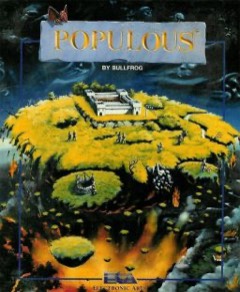
- Populous: Peter Molyneux's earlier god game, also on the SNES.
- SimCity: Maxis's city builder, also on the SNES.
Why it matters
Molyneux said he wanted players to build their dream park and also to feel what running one takes. Few games ask for both. One lot of research says games are most enjoyable when they satisfy our need for competence and for autonomy, and Theme Park hands you plenty of both: pricing, hiring and a rollercoaster track you lay yourself.
The smallest choices stay with you. Nobody forced you to charge a fortune for a drink or skip the mechanic. The punters leave unhappy, and the park shows it. That feedback is a gentle lesson in looking after the people in your care.
Read: Who you are when you play →
- Ryan, R. M., Rigby, C. S., & Przybylski, A. (2006). The motivational pull of video games: A self-determination theory approach. Motivation and Emotion, 30(4), 344-360. doi:10.1007/s11031-006-9051-8
What you're levelling up
You have been training these without noticing. Here is how to do it on purpose, and where it pays off away from the couch. All the skills games teach →
Systems thinking
In the game. Staff, research, prices and ride upkeep all push on each other. Skip a mechanic and the ride explodes, and the crowd sours.
Do it on purpose. Change one price, then watch visitor mood for a full year before you touch anything else.
Off the couch. Seeing how one small change, a new roster at work or a cheaper phone plan, ripples out three steps later. People who spot the ripple before it lands save everyone a headache.
Judging risk
In the game. Loans, research spend and rides that explode if neglected are all bets on the future.
Do it on purpose. Before you borrow, write down the worst case and whether you could cope with it.
Off the couch. Knowing when a bet is worth it, whether it's money, a new job or texting the person you fancy.
Planning ahead
In the game. Research takes time to pay off and rides need maintenance before they fail, so today's choice is next year's problem.
Do it on purpose. Plan the next three rides before you place the first one.
Off the couch. Booking the car service before it breaks down. Boring, until it isn't.
Verdict · 8/10
A cheeky management sim that makes spreadsheets feel like mischief. The pad costs it a point, the idea doesn't.